THE CHAMBER
Fill or empty
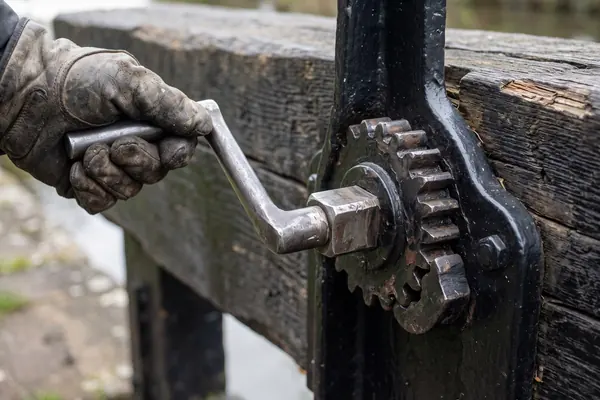
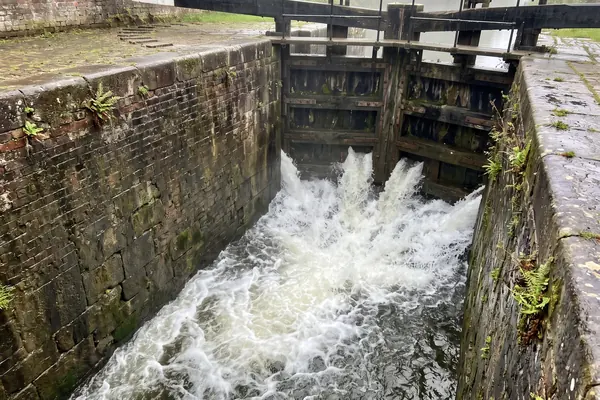
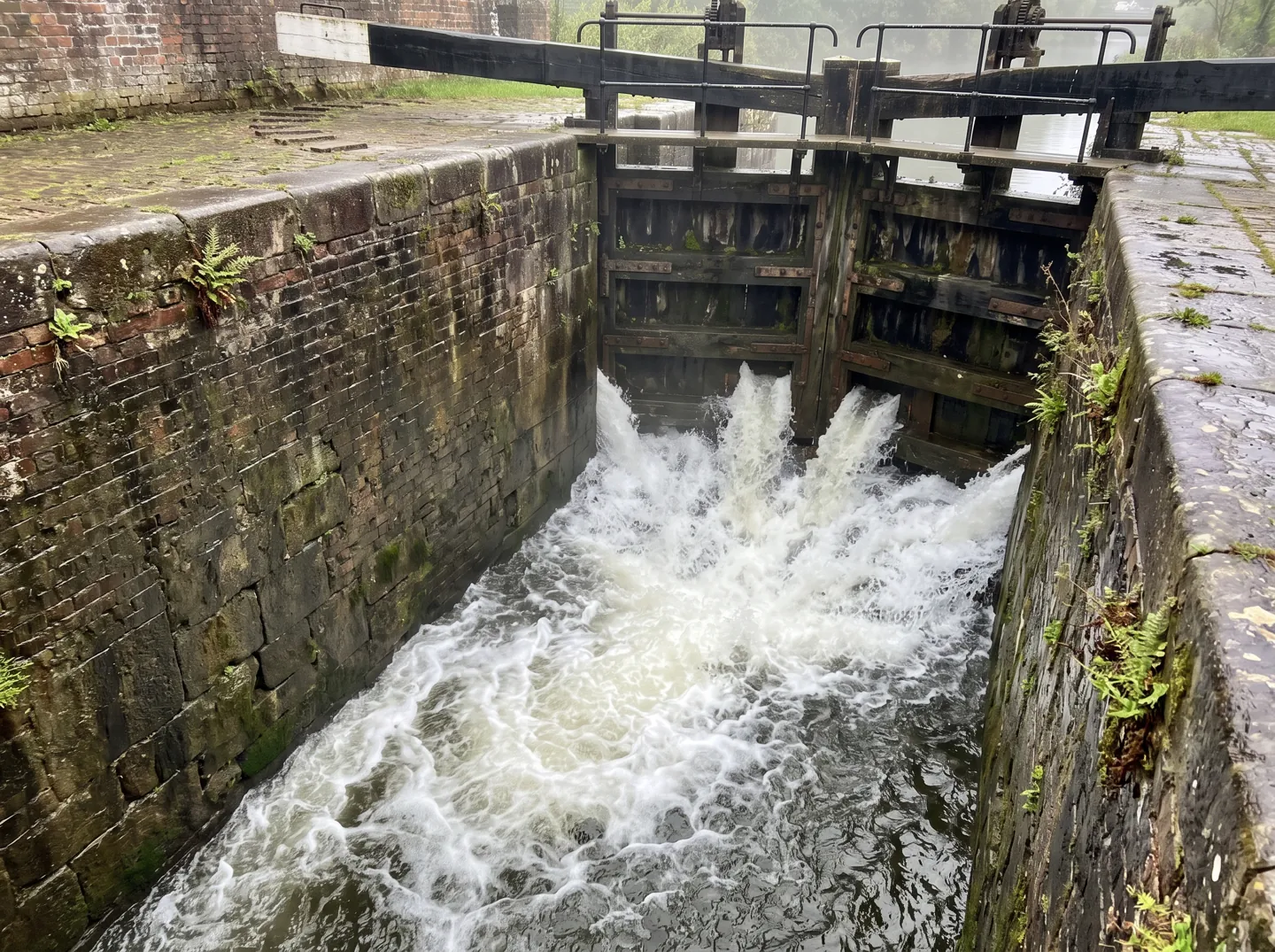
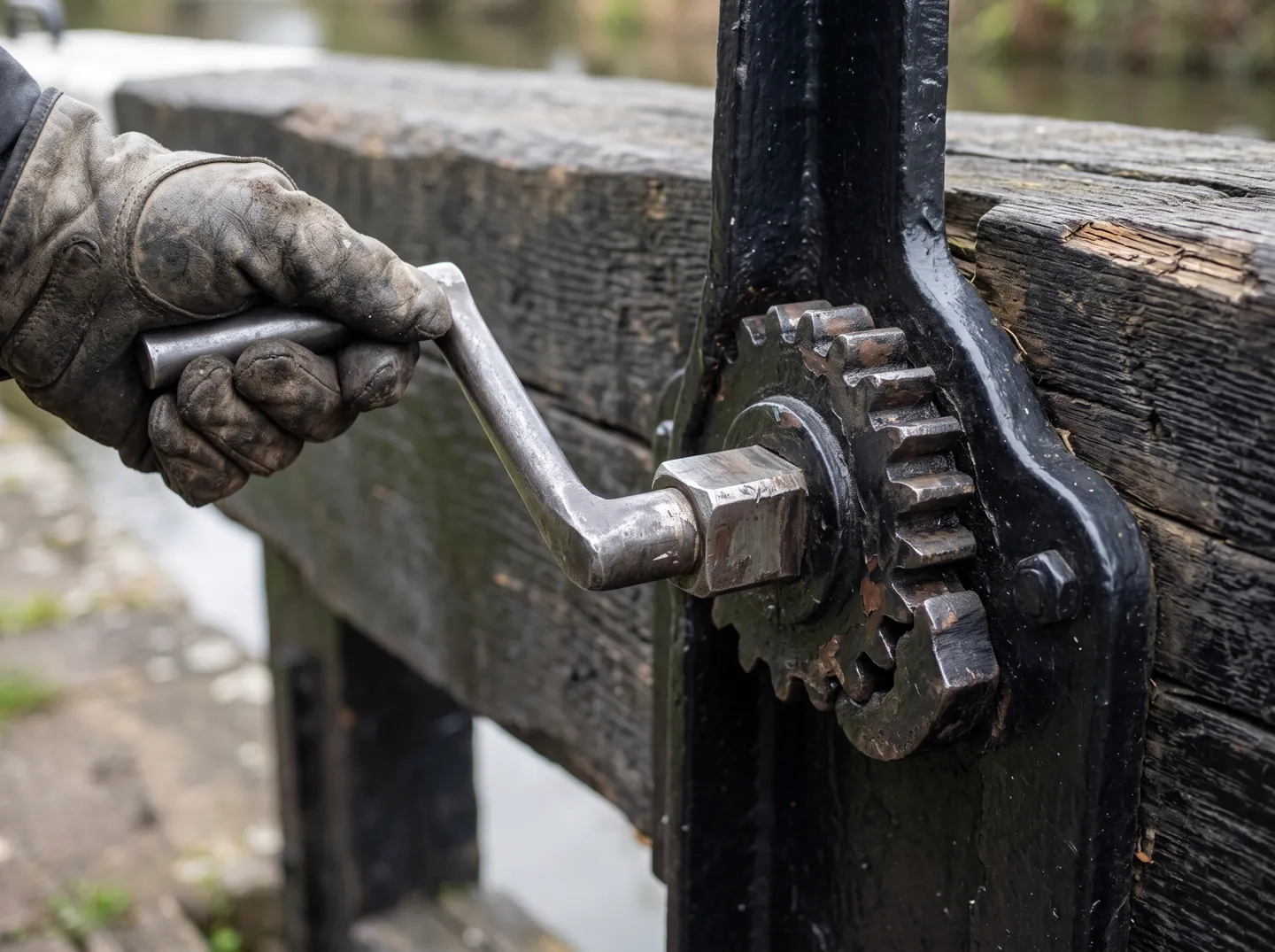
Opening the top paddles lets water in to raise a boat; the bottom paddles let it out to lower one. Boaters wind them with a windlass.
Spot the lock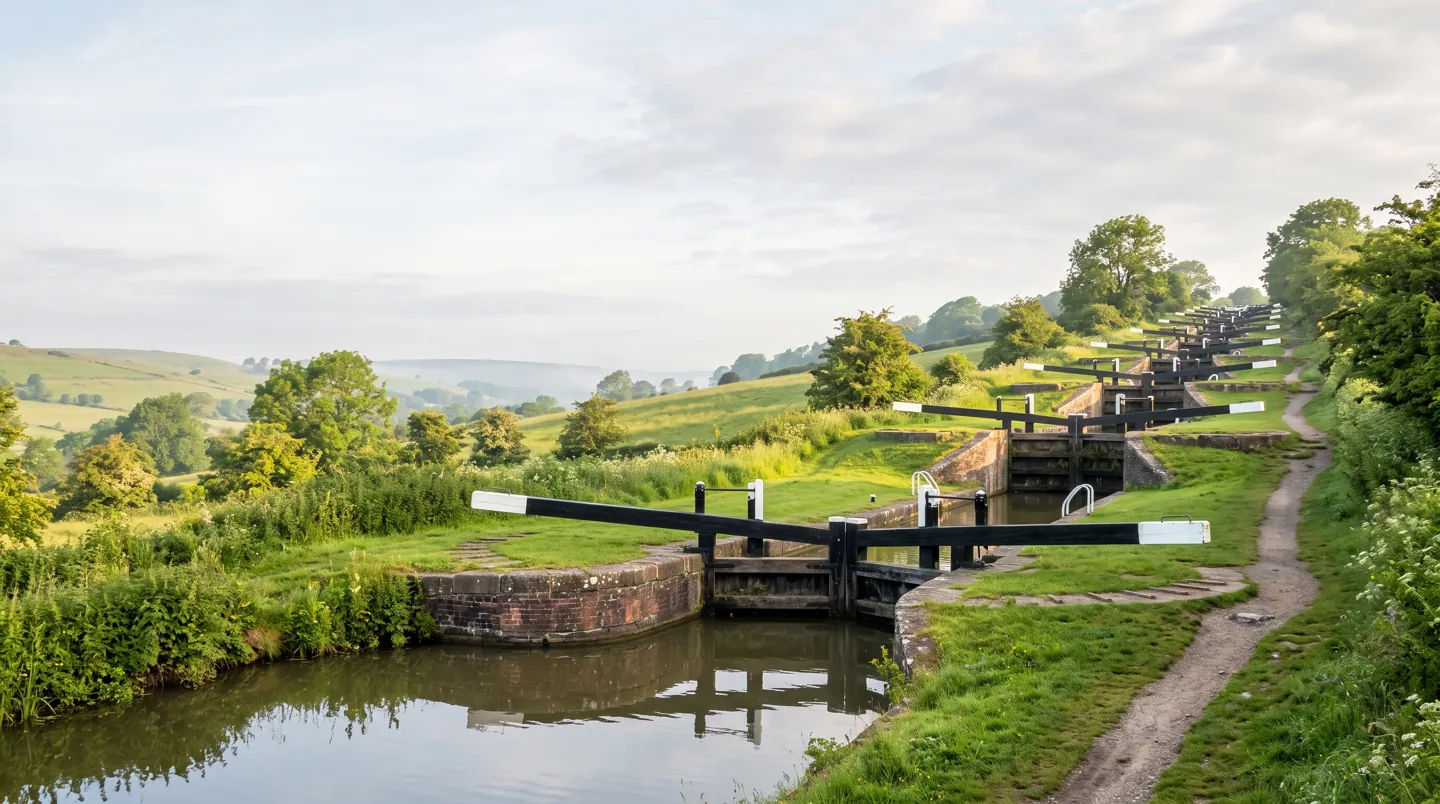
 theucl
AN INFORMATIONAL GUIDE: UNDERSTANDING CANAL LOCKS
FILL, THEN open the gates
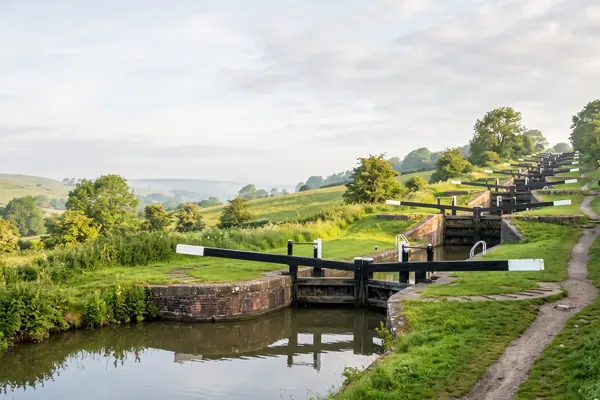
A lock is a chamber with gates at each end.
Here UCL stands for understanding canal locks: this is an independent informational guide, not an organisation. Fill the chamber and a boat rises to the next stretch of canal; empty it and the boat sinks gently down.
Updated
Spot the lockTHE SHORT ANSWER
The Canal & River Trust describes a lock
as a huge bath with taps and a plughole.
THE CHAMBER
Opening the top paddles lets water in to raise a boat; the bottom paddles let it out to lower one. Boaters wind them with a windlass.
Spot the lockTHE GATES
Mitre gates meet at an angle of about 18 degrees, pointing upstream so the weight of the water keeps them shut.
See the numbersTHE CRANK
Paddles control the sluices. The Trust's tip: do not run the taps with the plughole open, or you waste water without filling the lock.
Lockside safetySPOT THE LOCK
Pick a lock type. The bar shows how likely you are to come across one on a canal walk, going by the Canal & River Trust's descriptions.
Based on the Canal & River Trust guide to different types of locks (April 2025). Availability varies by waterway.
TWO NUMBERS WORTH KNOWING
Both figures describe Caen Hill on the
Kennet and Avon Canal, near Devizes.
≈ 123,000 litres
Water used by each Caen Hill lock, every time
Each lock fills and empties over 2,000 times a year. Water is pumped from the Bristol Avon at Claverton, 13 miles away, and around each flight.
WATER · CANAL & RIVER TRUST
237 feet
Rise of the 29-lock flight
Over two miles, a gradient of 1 in 44. The steepest 16 locks are a scheduled ancient monument, and the flight takes five to six hours by boat.
CLIMB · CANAL & RIVER TRUST
The Canal & River Trust says sharing locks with other boats helps keep water in the waterways.
FIVE SAFETY HABITS
From the Canal & River Trust's boaters' handbook and water safety advice.
Watch out for unprotected drops around the lockside, especially when gates are being opened.
Lockside surfaces and gate beams can be slippery when you push the gates.
Wait for a boat in the lock to leave before touching the paddles, and ask before helping other boaters.
Cold shock, hidden objects, unexpected depths and untreated water make canals no place for a swim.
The Canal & River Trust asks people to take extra care next to water after a few drinks, and to choose a route home away from the water.
A LONG HISTORY
The Canal & River Trust dates the introduction of locks to the 10th century and the arrival of pound locks in Europe to the 14th century. Steep flights sometimes use side ponds to top up each lock after use.
Broad locks are double the width of narrow ones, taking two narrowboats together or one wide boat, while double locks were built side by side so more boats could pass at once.
Questions
Understanding canal locks. This is an independent informational guide, not an organisation, club or company.
The boat enters the chamber, the gates behind it close and the top paddles let water in until the level matches the canal above. Then the top gates open.
Mitre gates meet at roughly 18 degrees pointing upstream, so the weight of the water presses them shut, according to the River Wey Trust.
A flight has pounds of water between its locks. A staircase has none: each chamber's top gate is the next chamber's bottom gate.
Ask first. The Canal & River Trust advises waiting for a boat in the lock to leave before operating paddles, and asking before helping.
The Canal & River Trust's Boaters' Handbook advises taking your time, entering and leaving slowly, and always having a competent person on board while the boat is in the lock. Keep the boat well away from the gates and cills, as boats bang about when water flows in and out, make sure fenders cannot catch on the lockside or gates, and agree clear signals between crew and skipper, such as one that means close all the paddles.
Typically five to six hours. The Canal & River Trust asks boaters planning to go up or down the flight to talk to its volunteer lock keepers, who have the experience to make sure water is conserved during the passage. Visitors can meet the volunteers at The Admiral, the welcome boat by Lock 44.
Sources
ABOUT THIS NAME
theucl.org is part of the DoodleSale portfolio. It isn't in an auction right now, but you can ask about leasing it.